Water after rain
You may see seepage along the floor, at a wall joint, or near a corner after a storm.
Wet basement help
A wet basement can show up as water after rain, damp walls, stains, musty air, or recurring seepage. The right waterproofing approach depends on where the water enters and whether the problem is limited to one crack or affects several basement areas.
Basement waterproofing helps control water entering below-grade basement areas. The right approach depends on where the water enters, whether the problem is limited to one crack, and whether drainage or exterior water conditions are involved. A localized crack may need foundation crack repair, while recurring water along walls, floor edges, or several basement areas may need broader basement waterproofing. Start with the wet basement signs you can see, then request basement waterproofing help.
You may see seepage along the floor, at a wall joint, or near a corner after a storm.
Walls stay damp, feel wet to the touch, or keep showing moisture even after the floor is wiped dry.
Dark marks or a chalky film on the wall often mean water has been moving through the concrete.
A damp smell that does not go away is a common early sign, even when the floor looks dry.
Puddles or dampness along the joint where the wall meets the floor can point to basement seepage.
These are the main basement waterproofing and wet basement repair paths. The right one depends on where the water shows up.
For recurring water or dampness inside basement areas, including water along walls or floor edges.
For seepage, puddles, damp walls, stains, or recurring water after rain.
For water that needs to be collected and directed toward a drainage or sump system.
For water entering from multiple basement areas when one local crack is not the only problem.
Use what you can see to find the most relevant next page. You do not need the waterproofing method name first.
What you see
Water through one visible foundation crack
Possible issue
Localized crack leak
Relevant service
What you see
Water at the wall-floor edge
Possible issue
Interior basement water control
Relevant service
What you see
Damp basement after rain
Possible issue
Wet basement waterproofing
Relevant service
What you see
Water in several basement areas
Possible issue
Broader basement leak repair
Relevant service
What you see
Water appears through or behind the exterior foundation wall
Possible issue
Outside-wall water path
Relevant service
What you see
Water collects beside the foundation
Possible issue
Drainage around the house
Relevant service
What you see
Existing foundation drain appears ineffective
Possible issue
Drain system may need repair
Relevant service
These signs can help identify the next service to consider, but they are not a diagnosis.
Basement water control starts with where the water enters. Each path points to a different service.
For water appearing inside the basement along walls, floor edges, or recurring interior areas. This is the main basement waterproofing path for wet basement repair and basement leak repair.
If the main source appears to be outside the foundation wall, see exterior foundation waterproofing. That page covers outside-wall work. It is not the same as interior basement waterproofing.
If water is collecting around the foundation, see foundation drainage repair or French drain installation. Use those pages when the issue is the drain path, not the whole basement interior.
Checking water-entry paths, drainage, and downspouts can help narrow the next step. University of Missouri Extension leaky-basement guidance covers those checks.
Basements get wet when water sits against below-grade walls and finds a path inside. Surface water and poor drainage around the house can keep soil wet after rain. Water pressure against the wall can then push moisture through joints, porous areas, or openings. Cracks and other openings give that water a direct path. Colorado State University Extension basement moisture guidance notes that gutters, downspouts, and grading away from the home help keep ground moisture from entering a basement.
Cost depends on the size of the wet area, how water is entering, and whether drainage or exterior access is part of the work. This page does not publish price ranges.
One wall after a heavy rain is a different job than water in several rooms.
One leak path is a different job than water showing up in several basement areas.
Interior basement waterproofing and outside-wall work are different scopes.
A finished basement can take more care to open and put back.
A leaking crack may need crack-focused repair along with waterproofing.
Drainage work, excavation if required, or repair of an existing drain can change the job.
Step 1 of 4You start
Wall, floor edge, one crack, several areas, or another basement location.
Step 2 of 4Timing
After rain, during storms, recurring dampness, or a leak that keeps coming back.
Step 3 of 4Also note
Cracks, outside water, drainage problems, stains, or musty air.
Step 4 of 4You know
Basement waterproofing, crack repair, exterior waterproofing, French drain, or drainage repair.
Akron homes can show wet basements after heavy rain and during seasonal weather changes. Drainage around the house can send water toward the foundation. Existing cracks or openings can also start leaking when conditions stay wet. Heavy rain can make an existing leak easier to notice even if the basement seemed dry before. You do not need to name the waterproofing method first. Start with where the water shows up and when it happens. That information can help match the problem to basement waterproofing or a related water-control service.
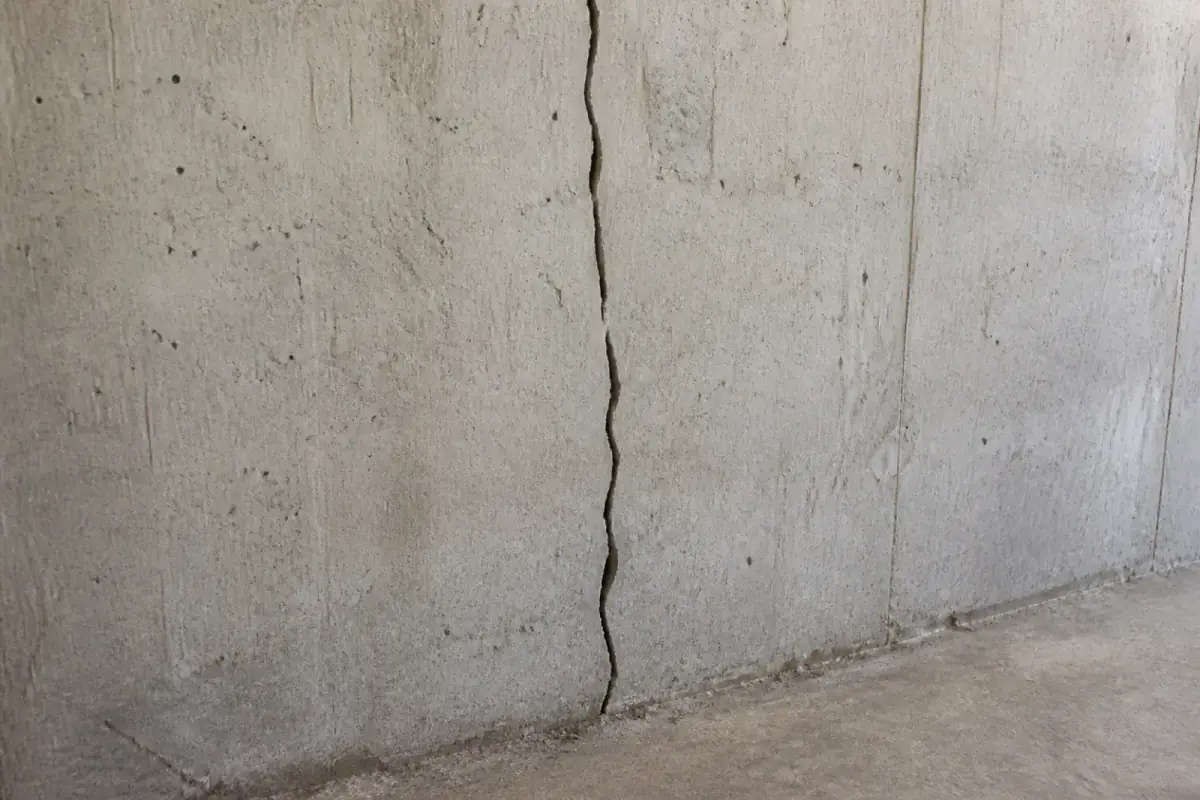
For water entering through one localized foundation or basement wall crack.
Foundation crack repair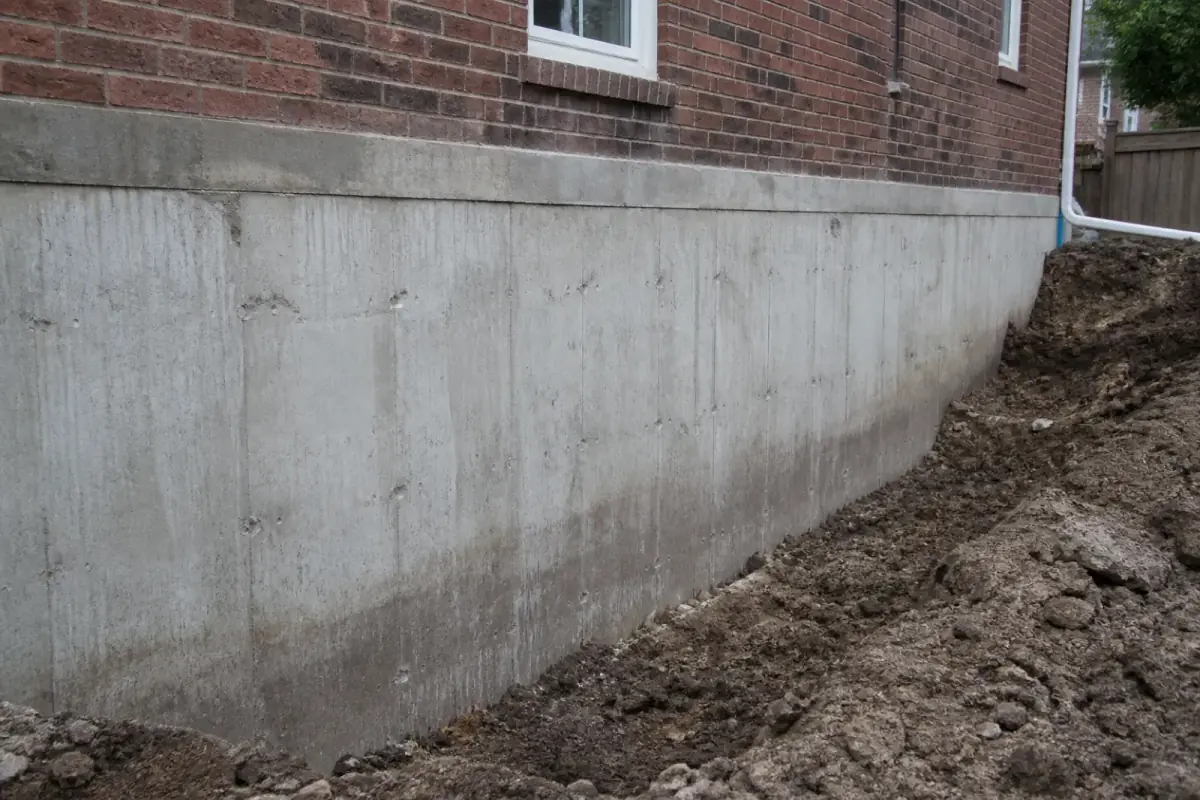
For water problems tied to the outside face of a foundation wall.
Exterior foundation waterproofing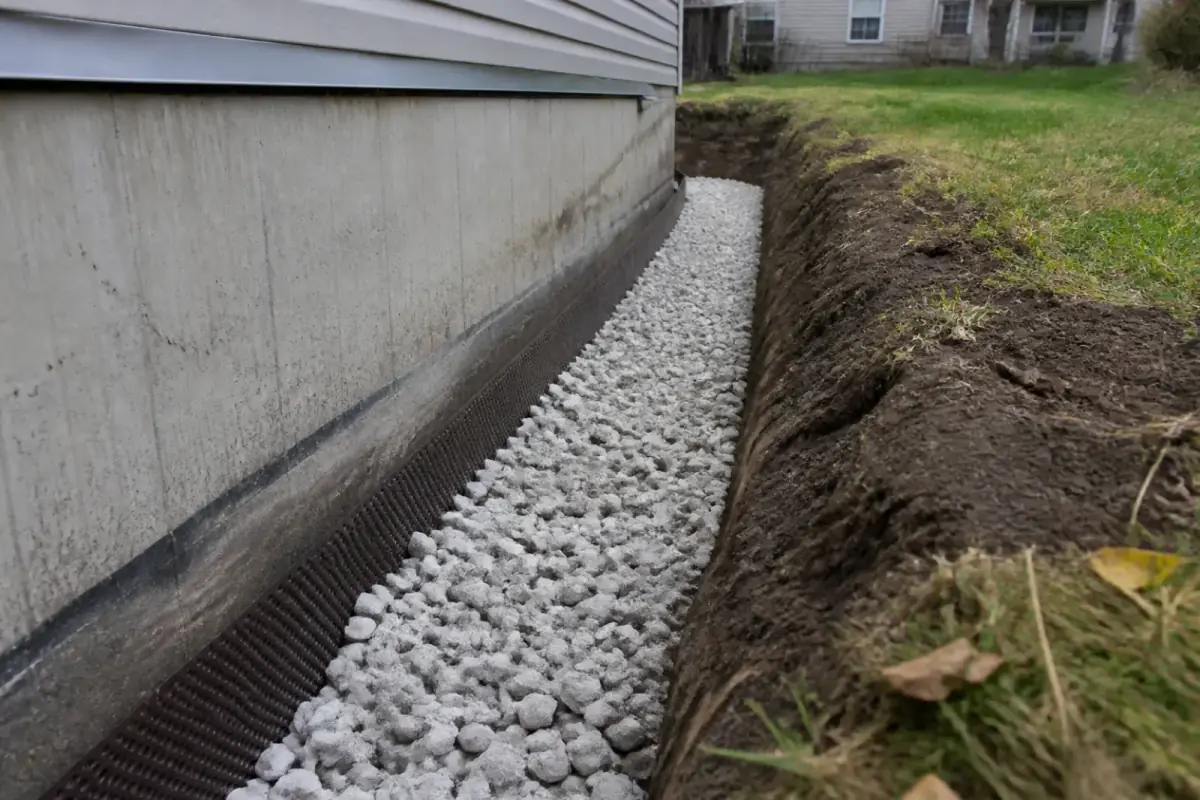
For situations where a dedicated drainage path may be relevant.
French drain installation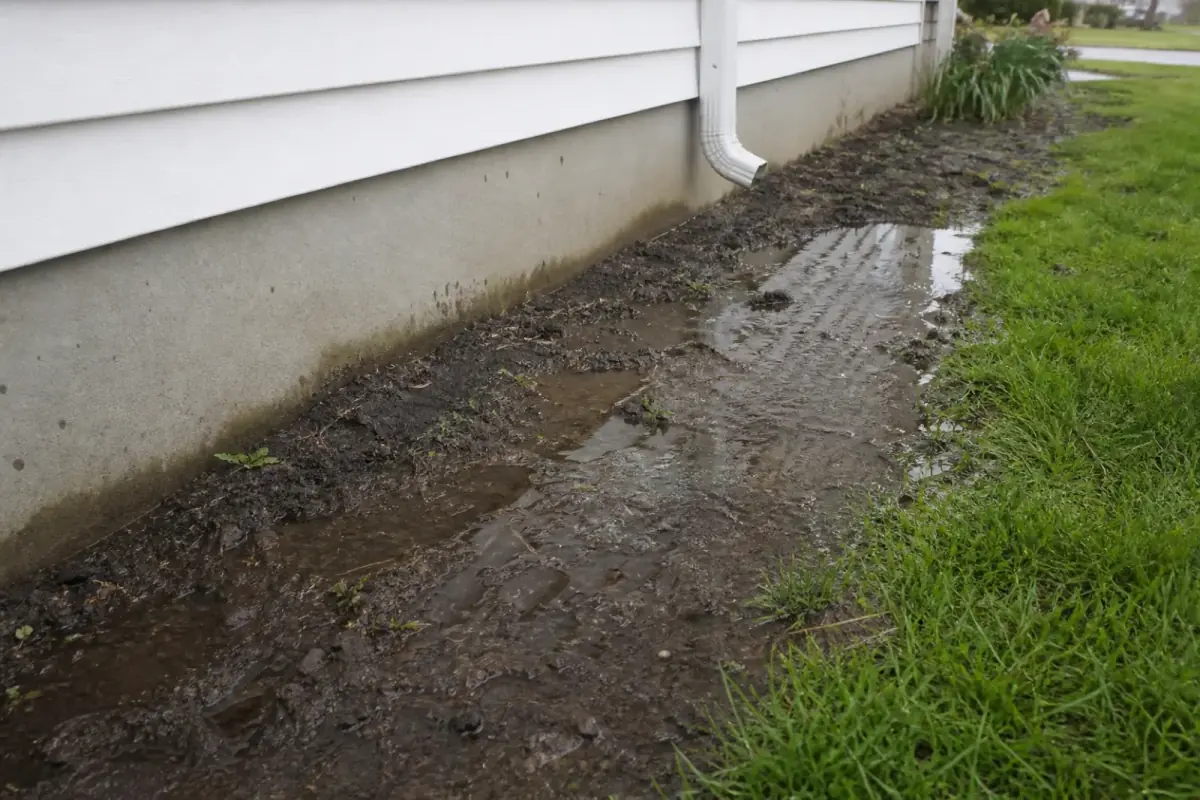
For existing foundation drainage systems that may no longer be working correctly.
Foundation drainage repairCommon signs include water after rain, damp or wet walls, stains, white powder, musty air, and water near the wall-floor edge. Recurring seepage is a reason to look at basement waterproofing rather than wiping the floor and waiting.
Sometimes the problem is limited to one crack. In that case, start with foundation crack repair. If water also shows up along walls, floor edges, or several basement areas, broader basement waterproofing may still be needed.
When water appears in several areas, along wall-floor joints, or repeatedly across the basement. That pattern points to basement water control, not only a single crack repair.
Cost depends on the size of the wet area, how many entry points are involved, interior versus exterior access, drainage work, wall and floor condition, and whether an existing drain needs repair. This page does not publish price ranges.
Yes. Water collecting beside the foundation can keep basement walls wet. If an existing drain no longer works, see foundation drainage repair. If a dedicated drain path may be needed, see French drain installation.
You do not need to know which waterproofing method is needed. Start with what you can see:
That information can help point toward the right basement waterproofing or related water-control service. Serving Akron, Ohio.